

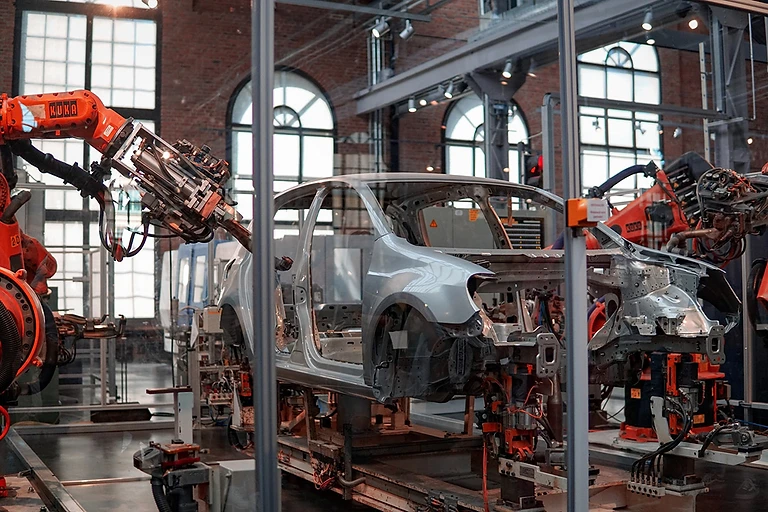
South Africa could lose its automotive manufacturing industry within a few years if it does not decide whether it wants to build vehicles locally or rely on imports, Automobile Association (AA) CEO Bobby Ramgwede has warned.
He said rising vehicle sales give the impression that the industry is doing well but conceal growing pressure on manufacturers and their suppliers.
“When you scratch beneath the surface, there’s a story that’s emerging and that story is quite concerning,” Ramgwede told a CEO breakfast hosted by Nedbank and Automechanika in Cape Town this week.
He said component manufacturers are closing one after another as the companies they supply struggle to plan production and sell their products. “In a very short period of time, you will not have an auto industry. The playbook played out in Australia and it’s playing out rapidly in South Africa.”
Ramgwede questioned whether programmes intended to encourage local vehicle production are doing enough for South African suppliers. He distinguished between manufacturing vehicles with locally sourced components and assembling vehicles largely from imported parts.
“We’ve got programmes that have great intent behind them,” he said. But he described some of what passes for local production as “a masquerade of vehicles coming in broken down in pieces”.
This matters because suppliers need sustained orders to stay in business, he added. If they close, a manufacturer arriving later would have fewer local companies from which to buy parts.
Ramgwede said he welcomes new brands and greater choice for motorists. He is concerned that established vehicle manufacturers and new entrants are not being held to the same requirements while imported vehicles and components are gaining ground.
“I’ve got no problem with competition. In fact, I encourage it. Give the consumer options,” he said. “But, if you’re going to do it, then play fairly with these rules.”
Local manufacturers are also contending with rising electricity costs and failing infrastructure, he said, pointing particularly to the condition of roads and water services in the Eastern Cape. These costs and disruptions make it harder for them to remain competitive.
With the wider automotive industry contributing more than 5% of GDP, Ramgwede said the consequences of losing production will extend to component suppliers, other businesses and households that depend on the sector. Vehicle sales will continue but selling imported cars will not preserve those manufacturing jobs.
He said South Africa needs to decide what it wants the industry to become. “Are we pulling out like Australia? Are we just going to import vehicles? In that case, let’s have a different conversation.”
An import-based industry is a possible choice, he said, but it would require policies suited to South Africa’s circumstances and a clear understanding of what would be lost.















Comments (1)
the goverment does not care what will be lost. the invasion of cheaper chinese makes that do not pay duties are killing our industry. it is only a matter of time if local production and industry is not aggressively protected. but since the priority with the ANC is kissing chinese rears, there is little hope.