

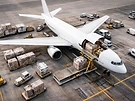
Planning for fluctuating fuel prices and keeping a tight control on administrative costs are probably two of the key challenges facing operators in the charter industry, according to Airlink Cargo International’s Alwyn Rautenbach. “Fuel expenses make up as much as between 20 percent to 40 percent of overall costs, and are the single biggest factor in remaining sustainable. Any airline is vulnerable to pressures because of the volatile oil costs,” says Rautenbach. However, Rautenbach says despite the global financial pressures brought about by the economic woes of the US and Europe, he was optimistic about the vast potential in Southern Africa. “Prospects are still very good because there is a lot happening in South Africa because of demand for commodities, as well as needs in various sectors, such as mining, for example,” he says. According to Rautenbach, Southern Africa managed to continue trading positively despite the global slowdown of the past two years. “Statistics from the International Air Transport Association (IATA) show that the freight industry has grown throughout the world in spite of the economic problems in parts of the globe. Freight and air cargo are still doing well, although growth has been adversely affected,” he says. “It is slower than before but the growth in tough times shows the potential in the industry,” he adds. Rautenbach says Airlink Cargo International operates out of Johannesburg and mainly in Southern Africa. “We have been doing small jobs. However, with our new foray into charter territory we plan to run the service three times a week, until it becomes daily. “We operate small freighters for couriers, commodities, and high-value items.” He says customers utilising their services will experience swifter and safer delivery without the pitfalls experienced through using other methods. “We operate in a hugely competitive arena and what we offer in terms of efficiency makes up for the risk of inefficiency. For example road infrastructure may be cheaper but it is slower, and there’s always the unwelcome threat of trucks being hijacked,” he adds. Rautenbach says he has been involved in the airline industry for many years and has spent the past six years dealing with cargo. “I understand the industry, having been involved in a number of roles within it, and seem to find that once you get in you don’t get out of it,” he says, laughing. “It is such a global industry. One is exposed to the world, and there are so many exciting things happening,” he adds. Rautenbach says the airline industry is probably one of the toughest in the world to make a profit. “If one looks at how much money is made and lost in the industry, operating in the sector calls for a keen eye, exceptional diligence and knowledge of the business.”
Fluctuating fuel prices challenging
Edwin Naidu· 12 Aug 2011
© Now Media. This content is protected by copyright and may not be adapted or republished. To discuss cooperation opportunities, contact us.
Sign up to receive our newsletters
Get the latest from Freight News delivered to your inbox.

News

ITAC proposes rebate paperwork fix for OEMs
9 Oct 2026
Customs / Trade/Investment


New set of skills required
9 Oct 2026
Freight & Trading Weekly / People / Skills & Training


Dtic targets wider export markets
9 Oct 2026
Imports and Exports


Saudi Arabia and UAE sign rail connectivity agreement
9 Oct 2026
International / Trade/Investment

Heavy lift team moves 646 tonne Batavia ashore
9 Oct 2026
International / Sea Freight

Rail deaths rise despite fewer incidents
Lyse Comins8 Oct 2026
People / Road/Rail Freight


25-year lease opens Saldanha port land for development
8 Oct 2026
Sea Freight / Trade/Investment


Global buyers explore SA sourcing opportunities
Lyse Comins8 Oct 2026
Economy / Trade/Investment


Moving toward systems that can recommend actions
8 Oct 2026
Freight & Trading Weekly


El Niño clouds agricultural export outlook
Melisa Ntephea8 Oct 2026
Imports and Exports / Trade/Investment

Comments (0)
Comments are closed