

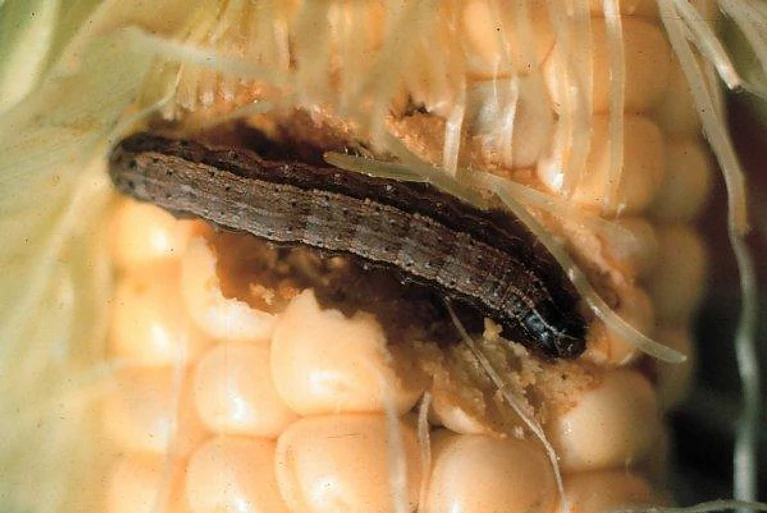
The Department of Agriculture, Forestry and Fisheries (Daff) has identified pesticides able to kill and control infestations of the Fall Army Worm (FAW), a move that maize producers have welcomed.
This is positive news for the maize market in South Africa which is regarded as the country's most important field crop and the staple food of the population.
The department said that effectively addressing the pest was also important to the industries that relied on maize as a raw material - such as the maize milling, stock-feed, wet milling, poultry and dairy industries which depend on maize for their survival and employ thousands of workers.
Last week Daff officially announced that the caterpillars threatening maize crops in South Africa were indeed FAW.
This was revealed through a diagnostic report by the Agricultural Research Council, Plant Protection Research Institute (ARC PPRI) using samples collected from Limpopo Province. Reports of caterpillar damage have been received mainly from Limpopo and North West province.
As FAW cannot be contained in a specific area and is a good flyer, if not controlled quickly and effectively the effects can be very damaging.
However Daff has rallied to prevent the spread of FAW by initiating a plant pest action group, importing pheromone traps to determine the extent of the spread, increasing diagnostic support as well as notifying Southern African Development Community (SADC) member countries.
After battling the worst drought in 30 years, according to the South African Weather Services, the maize industry was expected to see a surplus this year, according to industry lobby group, GrainSA, but no news yet on how FAW will affect that prediction.
























Comments (0)
Comments are closed