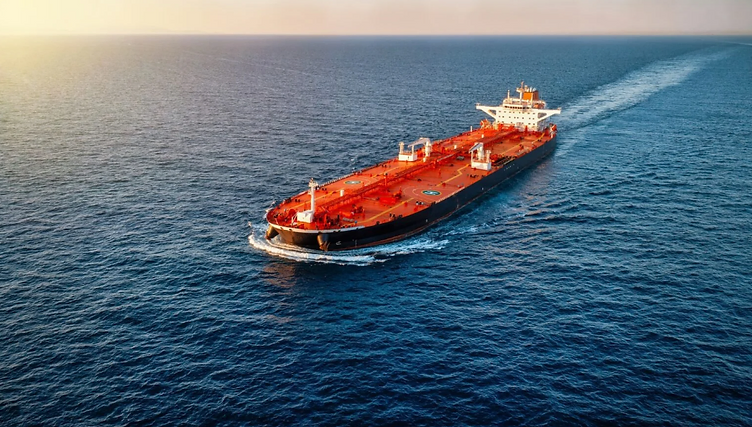
Congestion at offshore oil transfer hubs in the Gulf of Oman is pushing exporters towards alternative locations and direct deliveries, increasing pressure on tanker capacity, according to shipping and commodities analytics firm Kpler.
Its analysis shows that facilities supporting ship-to-ship transfers near Fujairah and Sohar are approaching their practical limits as more crude is moved out of the Middle East Gulf.
The transfer system uses shuttle tankers to carry crude through the Strait of Hormuz before transferring it to other vessels for onward delivery. Kpler says expanding operations to locations off India or Malaysia could accommodate additional cargo, but longer voyages would tie up tankers for more time.
Moving transfers from the Gulf of Oman to India’s west coast increases the observed round trip from about 17 to 21 days. Using offshore locations in Malaysia extends it to about 38.5 days.
Under Kpler’s base-case scenario, moving an additional three million barrels a day of Saudi crude would require between 36 and 40 additional very large crude carriers, depending on the mix of transfer locations and direct voyages.
Separate Kpler analysis, using data as at September 29, shows how extensively the region’s oil logistics has changed.
More than 70% of crude crossing Hormuz in August changed tankers offshore in the Gulf of Oman. That proportion is now easing as cargo volumes outgrow transfer capacity and exporters shift towards direct voyages.
Kpler identified at least 63 very large crude carriers working in the shuttle trade. A core group of 35 vessels each completed at least three round trips, accounting for roughly three-quarters of shuttle voyages.
Although crude export volumes from the region, excluding Iran, recovered to pre-war levels in September, the recovery relied on a combination of pipelines, shuttle tankers and offshore transfers.
The analysis highlights a continuing constraint on that recovery: increasing exports requires sufficient capacity both to move oil through Hormuz and to handle it beyond the strait.